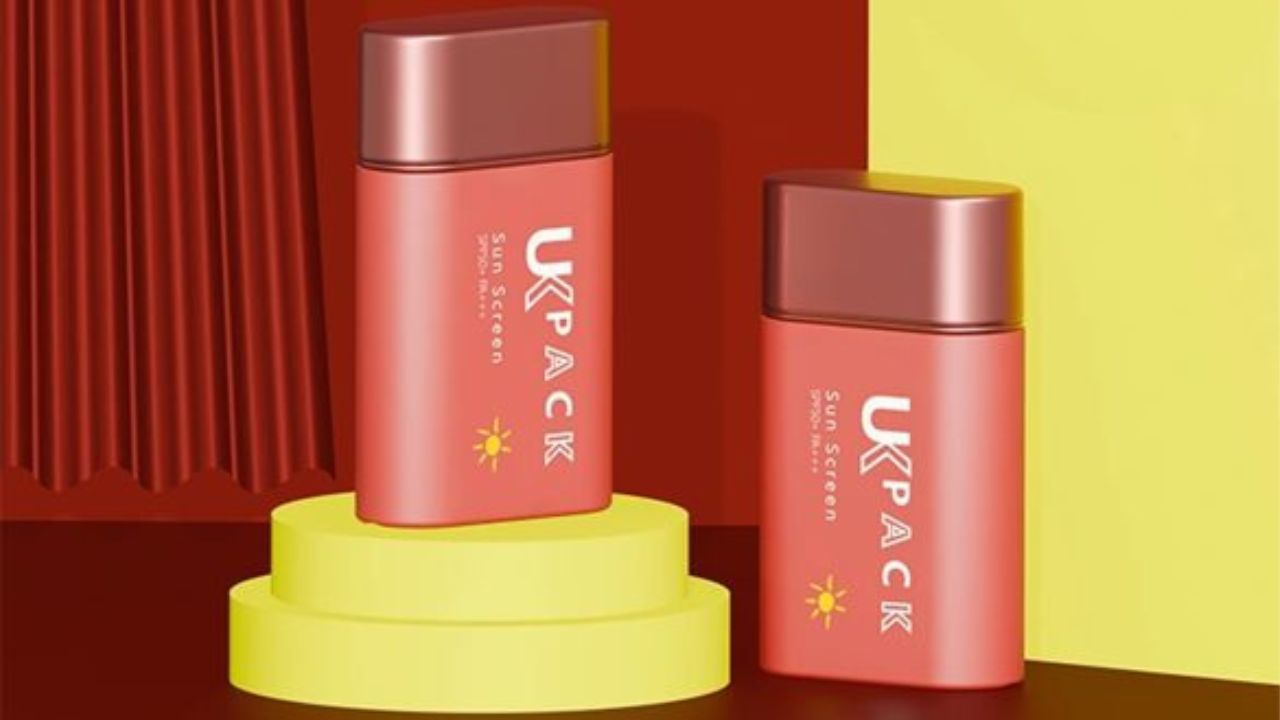
Hygiene plays a significant role in packaging design, especially for beauty, skincare, personal care, and pharmaceutical products. Packaging is becoming a less and less hidden issue to consumers, especially concerning the safety of the products, the dangers of contamination, and the general health of the users. Out of the numerous ways of packaging, tottle bottles have attracted much interest due to their hygienic benefits in comparison with jars. The tottle bottle supplier is used to deliver products in an efficient and less exposed manner. That is a cleaner, safer, and more modern way to satisfy the increasing hygiene demands of brands.
Learning the Hygiene Problems of Jars
Creams, balms, and masks, as well as semi-solid formulations, have been traditionally packaged in jars. Nevertheless, they have an open-mouth design, which poses hygiene issues. Fingers or spatulas are normally used during every use, which increases the chances of adding bacteria, moisture, and other contaminants to the container. The cleaning of the spatulas between uses is also not done properly, and this causes repetition of contamination even after using them.
Another significant problem with jars is the exposure to air. The product is exposed to oxygen, dust, and airborne microbes every time the lid is opened.
Advantages of the Tottle Bottles
The tottle bottles are shaped with regulated dispensing systems that enhance hygiene greatly. Tottle bottles spill only the necessary amount because they do not expose the whole product, but instead, it does so via a small hole. Such a design minimizes the risks of having external contaminants in the container or physical contact with the rest of the product.
Since the product is dispensed without the use of fingers that have to touch the contents, the chances of bacteria transferring are greatly minimized.
Less Air Exposure and Product Protection
Less air exposure is one of the greatest hygienic advantages of the tottle bottle. Tottle bottles are left intact during use, unlike jars, which show the full surface of the product every time they are opened. The internal formula is guarded against repeated oxygen exposure, aiding in preserving product freshness, texture, and efficacy.
Such decreased exposure enhances hygiene as well as contributes to cleaner formulations. The level of preservatives can be frequently reduced by the brands since the packaging itself helps to protect the product. This goes in line with the increasing demand for soft and skin-safe products with a few ingredient lists.
Flow Design and Contamination Prevention
A large number of tottle bottles are designed in such a way that they have a one-way flow dispensing mechanism. This implies that the product passes outwards, and it never gets pulled back into the container after dispensing. This kind of mechanism also reduces the level of contamination since product or outside residues in the used product do not get back to the bottle.
Jars, on the other hand, enable repetition between the product and the external environment. This repeated exposure may eventually give rise to microbial growth, especially in a damp place like the bathroom.
Better Hygiene to be shared and professional
Tottle bottles are particularly useful in an environment where one shares the products, like in a salon, clinic, spa, or household where more than one person uses the product. Jar packaging in such settings can easily turn out to be unhygienic as two or more hands touch the same product.
Tottle bottles allow making sure that a user can touch the exterior of the packaging, but not the product itself.
Improved Portability
Another aspect is that the tottle bottles do better than the jars in regard to hygiene concerns and portability. Jars can also be leaked, contaminated with their lids, and accidentally exposed when they are transported in bags or luggage. The bacterial or dirt on the lid can easily be transferred to the product during subsequent uses.
Modern Consumer Expectations
The consumers of today would like to see packaging that actively assists in health and safety rather than merely enclosing a product. Tottle bottles fulfill such expectations as they are designed to blend functionality with hygienically oriented engineering. The nature of their capabilities to reduce contact, contamination, and preserve the integrity of the products makes them quite fitting for the contemporary markets of beauty and personal care.
Since the level of hygiene awareness is steadily increasing, the brands that implement the tottle bottle packaging can show that they are proactively concerned with the well-being of their consumers.
Conclusion
Tottle bottles have definite and quantifiable hygiene benefits compared to conventional jars. They provide a safer storage and use environment for their products through controlled dispensing, limited air exposure, prevention of contamination, and enhanced portability. In the case of cleanliness, quality, and consumer confidence-oriented brands, tottle bottles are a more intelligent and hygienic option of packaging.